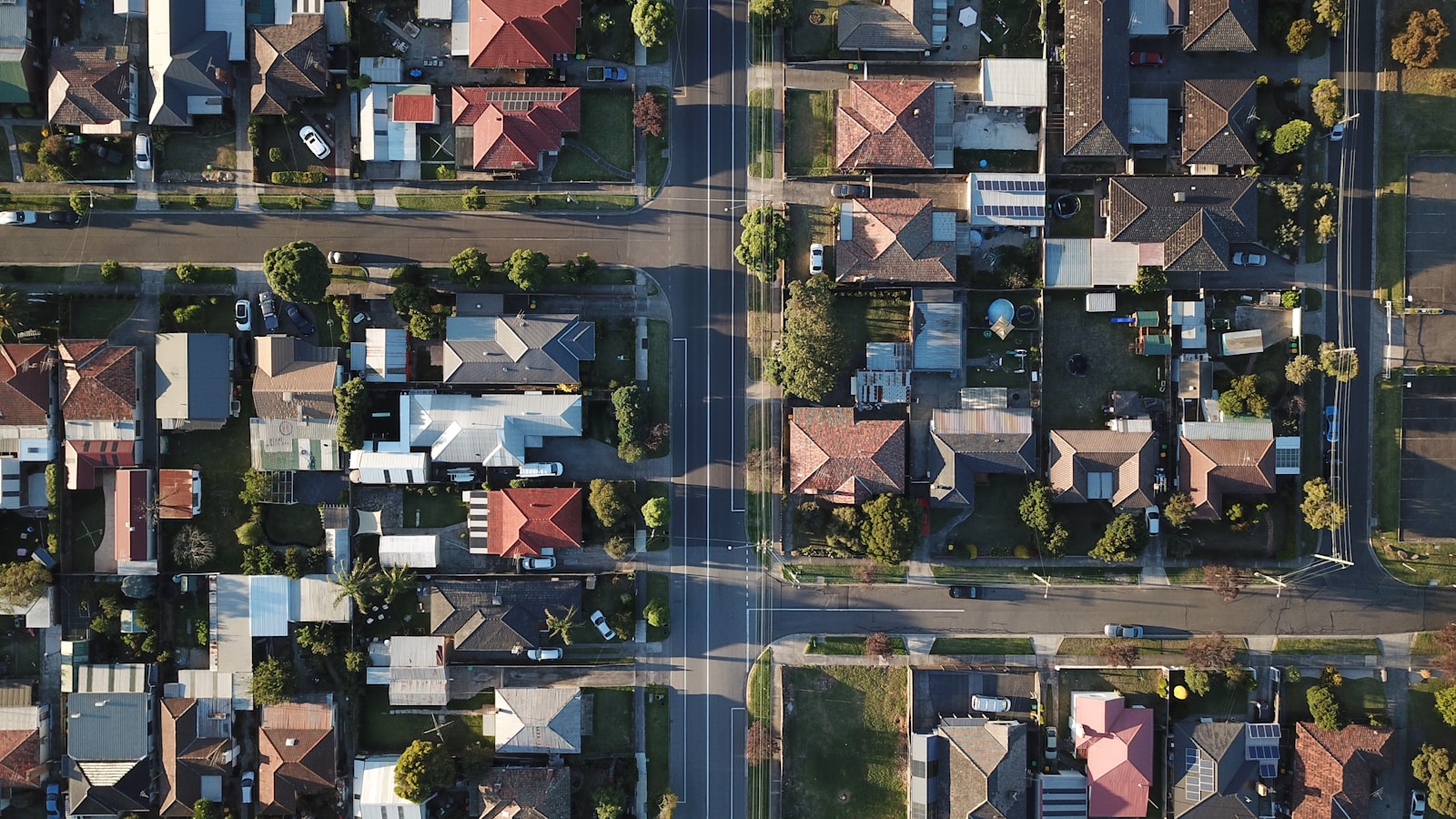
Buying a home is exciting - but it can also feel complex without a clear plan. With high demand, diverse neighbourhoods, and changing market conditions, having the right process and strategy is essential. Whether you’re a first-time buyer or purchasing your next home, here’s a simple, proven approach to buying real estate.
Step 1: Get Pre-Approved Before You Start House Hunting
The first step to buying a home is securing a mortgage pre-approval. This confirms what you can afford, helps you understand your monthly payments, and strengthens your position when making an offer.
Step 2: Understand the True Cost of Buying a Home in Victoria
Your purchase price is only part of your total cost. Buyers should also budget for:
Legal or notary fees
Home inspection costs
Property Transfer Tax (PTT), unless you qualify for a first-time buyer exemption
Strata fees for condos and townhomes
Home insurance and moving expenses
Understanding your full financial picture upfront helps avoid surprises and keeps your search realistic.
Step 3: Choose the Right Property Type
Many buyers in Victoria start with condos or townhomes, which can be more affordable than detached homes. Each property type comes with different considerations, including strata rules, maintenance responsibilities, and long-term resale value. Choosing the right property means aligning your budget, lifestyle, and future plans.
Step 4: Focus on the Right Neighbourhoods
Victoria is made up of many distinct communities, each offering different price points and lifestyles. Buyers often compare areas like Langford, Esquimalt, View Royal, Saanich, and Downtown Victoria to balance affordability, commute time, and amenities. Narrowing your search geographically allows you to move quickly and confidently when the right home becomes available.
Step 5: Make a Smart Offer Based on Local Market Data
Some homes sell quickly, while others allow room for negotiation. Reviewing recent sales, days on market, and pricing trends helps you decide when to be competitive and when to negotiate. A data-driven approach protects you from overpaying while keeping your offer attractive.
Step 6: Complete Your Due Diligence
Once your offer is accepted, this is the time to:
Complete a home inspection
Finalize financing
Review property disclosures and strata documents
Step 7: Closing Day and Possession
After conditions are removed, your lawyer or notary completes the legal transfer. On completion day, ownership changes hands, and on possession day, you get the keys to your new home.
Buying Real Estate in Victoria Doesn’t Have to Be Complicated
With the right preparation, local knowledge, and strategy, buying a home in Victoria can be a smooth and rewarding experience. Taking the process step by step helps you stay informed, confident, and in control.
If purchasing a home is on your bingo card for 2026, and you want guidance tailored to your goals, then please reach out to me! I would be happy to help you in your new home search.